




The digital age has transformed the way food enthusiasts share their passion for cooking. Where once a handwritten notebook was passed between family members, today’s culinary creations can be compiled into polished, free digital recipe books that reach audiences across the globe. For food bloggers in particular, joining forces with fellow creators to produce a collaborative cookbook is one of the most rewarding strategies available — both for creative fulfilment and for growing a dedicated readership.
Key points
- Collaborating on a digital recipe book allows food bloggers to foster creative fulfillment while expanding their collective reach to a wider audience.
- Successful collaboration requires thorough initial planning, including agreeing on a clear theme and establishing a balanced workload for all contributors.
- Standardizing formatting for ingredients and instructions is essential to ensure the final publication remains cohesive, professional, and easy to read.
- Bloggers can use accessible digital tools and platforms like FlipHTML to design and produce professional-looking, interactive cookbooks without significant costs.
- Using centralized recipe management software helps curators avoid errors, manage version control, and streamline the editorial workflow effectively.
- High-quality, consistent food photography and a well-designed cover are critical for attracting readers and giving the project a unified aesthetic.
- By sharing promotional efforts across multiple social channels and blogs, collaborators can leverage their individual audiences to maximize the reach of the final project.
Planning your joint digital cookbook with co-authors
Before a single recipe is typed up, the foundation of any successful recipe collaboration lies in thorough planning. The experience of food bloggers who have undertaken such projects makes clear that culinary networking and clear communication from the outset are absolutely essential. A well-structured plan prevents the project from unravelling under the weight of too many competing visions, and it ensures that every contributor feels genuinely invested in the final result.
Agreeing on the Theme and Selecting Signature Recipes
The very first decision a group of co-authors must make is the overarching theme of their digital recipe book. Will it celebrate a particular cuisine, a seasonal ingredient, or a specialist cooking technique such as sous vide? Market experience suggests that themed cookbooks — those with a clear, focused identity — tend to resonate most strongly with readers. Once the theme is settled, each contributor can put forward their signature recipes, selecting dishes that best represent their culinary voice. This is also the moment to decide how many pages the finished book will contain and how many recipes each blogger will contribute, keeping the workload fair and balanced across all parties.
It is worth noting that collaborative cooking projects of this kind can involve contributions from two dozen individuals or more, resulting in books of considerable depth, featuring dozens of recipes and running to a substantial number of pages. The key is to agree on these parameters early, so that expectations are aligned before recipe development begins in earnest.

Organising Ingredients and Standardising the Layout
Once the recipe list is confirmed, the group must agree on a consistent format for presenting each dish. This means standardising how ingredients are listed, how method steps are written, and how measurements are expressed. A uniform approach not only makes the finished book feel cohesive and professional, but it also simplifies the editing process considerably. Many collaborative teams create a shared template that each contributor fills in, ensuring that every page follows the same visual and structural logic. Some bloggers also include a shopping list or a pantry guide at the back of the book, which readers consistently find useful when planning their meals for the week.
Choosing the Right Digital Creation Software and Application
With the content planned and the contributors aligned, attention turns to the tools that will bring the digital cookbook to life. The good news for bloggers working to a tight budget is that a range of excellent online platforms and applications exist that make the creation process accessible without significant financial outlay.
Utilising online platforms for seamless album setting
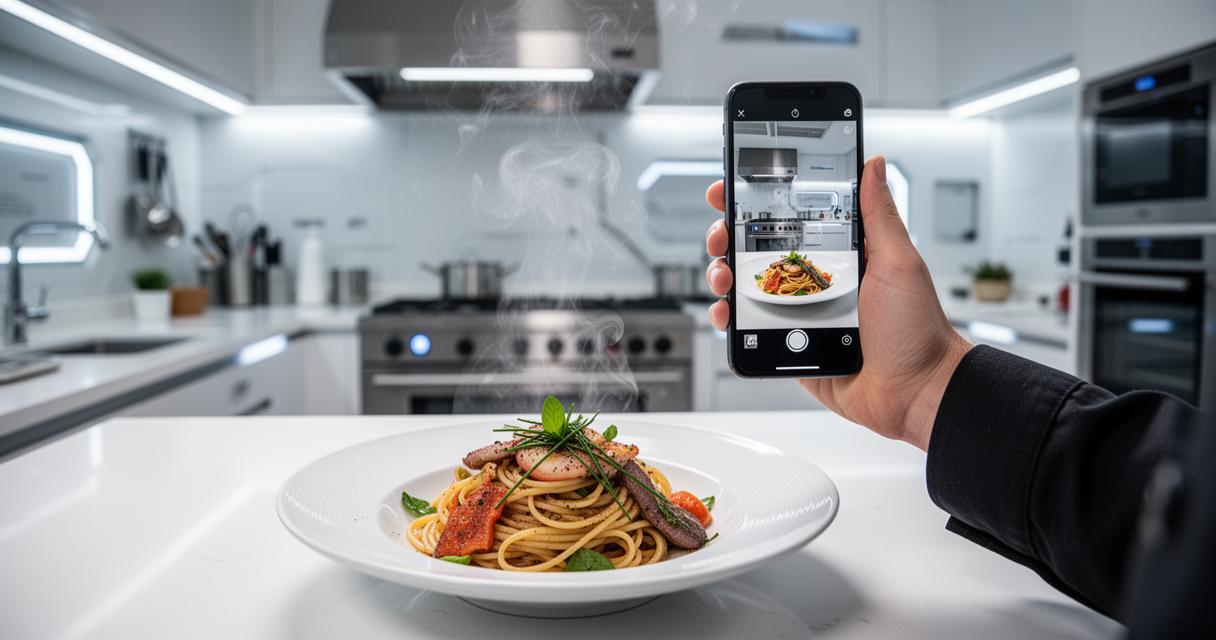
Several online platforms allow multiple users to collaborate on a single digital album, uploading content, rearranging pages, and refining the design in real time. Tools such as FlipHTML are particularly well regarded within the food blogging community for their ability to produce visually rich, page-turning digital publications that feel genuinely polished. The setting options within such platforms typically allow contributors to customise fonts, colour palettes, and layout grids, giving the finished book a distinctive aesthetic that reflects the collective personality of the group. When choosing a platform, it is advisable to prioritise those that offer intuitive collaborative features, straightforward export options, and compatibility across devices.
Leveraging digital recipe managers for easy curation
Alongside dedicated publishing platforms, a recipe manager or dedicated recipe management application can prove invaluable during the curation phase. Tools such as Paprika, for instance, allow users to organise recipes, scale ingredients, and generate shopping lists with ease, streamlining the editorial workflow before content is transferred into the final publication layout. Using a centralised recipe manager means that all contributors are working from the same version of each dish, reducing the risk of duplicates or inconsistencies creeping into the finished notebook. This kind of disciplined curation is what separates a truly professional digital cookbook from a hastily assembled collection.
Designing a Beautiful Cover and Custom Pages
The visual dimension of a digital recipe book is every bit as important as its content. Readers make snap judgements based on aesthetics, and a beautifully designed cover paired with thoughtfully crafted interior pages will dramatically increase the likelihood of the book being downloaded, shared, and recommended within the wider culinary community.
Enhancing each page with professional food photos
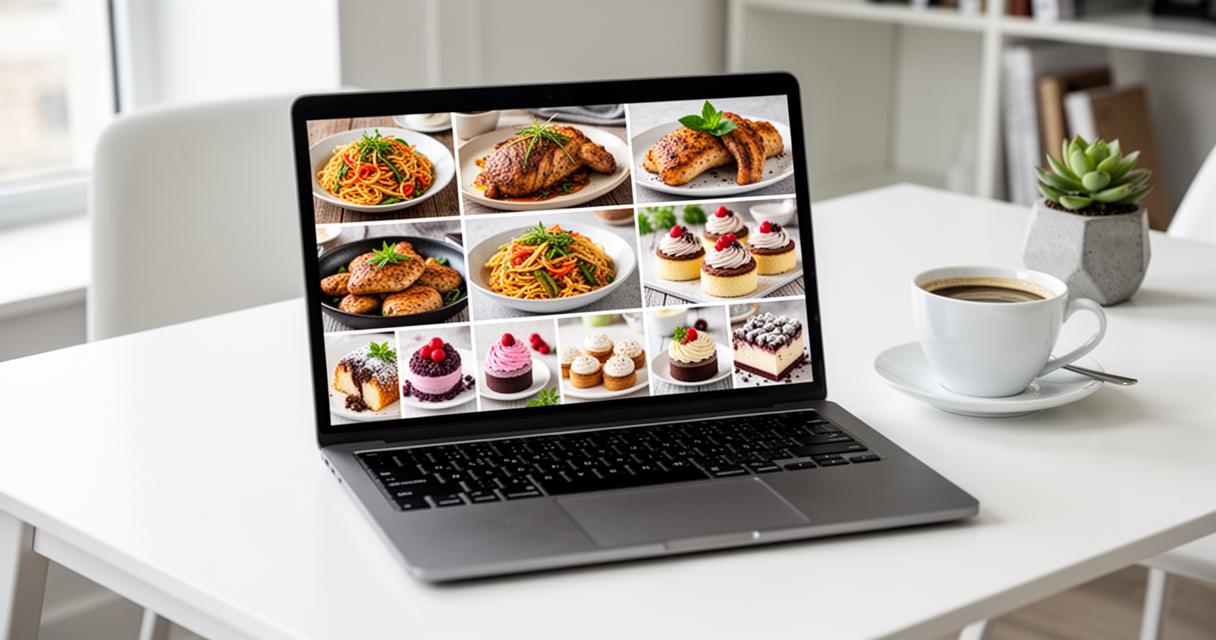
High-quality food photography is the single most powerful element a collaborative cookbook can deploy. Each photo should be well-lit, carefully composed, and styled to make the finished dish look as appetising as possible. Where contributors have access to professional equipment, this is the moment to use it; where they do not, natural daylight and a clean, uncluttered background can achieve genuinely impressive results. A consistent photographic style across all photos — whether that means a particular colour temperature, a favoured angle, or a recurring set of props — will give the finished book a sense of visual unity that elevates it above the ordinary. The cover, in particular, deserves special attention: it is the first thing a prospective reader sees, and it must communicate the spirit of the collaboration at a glance. A personalised cover featuring a hero image contributed by one of the bloggers, overlaid with elegant typography, makes an immediate and lasting impression.
Sharing the Personalised Family Notebook with Your Audience
Once the digital recipe book is complete, the real work of content marketing begins. Each collaborating blogger should promote the finished publication across their own channels — blog posts, social media, email newsletters — to maximise audience growth and brand exposure. This is precisely where blogging partnerships prove their worth: rather than one person shouldering the entire promotional burden, the effort is shared across the group, with each contributor reaching their own distinct readership. Guest blogging is a particularly effective tactic here, with each collaborator writing a dedicated post about the project for their own cooking blog, linking back to the shared download page and encouraging their audience to explore the work of their fellow contributors. The result is a virtuous cycle of discovery that benefits every member of the collaboration and strengthens the bonds of the wider culinary community. A well-executed collaborative cookbook is, ultimately, far more than the sum of its parts — it is a living testament to the power of shared creativity in the digital age.