






Augmented reality is rapidly emerging as a transformative force that promises to reshape the way we approach our professional responsibilities and recreational pursuits. By seamlessly blending virtual elements with the physical world, this technology enhances our interactions and experiences in ways that were previously confined to the realm of science fiction. As British enterprises increasingly recognise the potential of augmented reality, questions surrounding its practical value and return on investment have moved to the forefront of strategic discussions.
The Revolutionary Impact of Augmented Reality on Modern Workplaces
The modern workplace is undergoing a profound transformation, driven in large part by the integration of augmented reality into everyday operations. British enterprises are beginning to understand that this technology is not merely a novelty but a powerful tool capable of driving meaningful change. The benefits extend beyond simple novelty, offering practical solutions to longstanding challenges in how we train employees, manage operations, and deliver services. As digital transformation creates both opportunities and challenges, augmented reality stands out as a technology that can deliver measurable value across diverse industries.
Enhancing employee training and development through immersive technologies
One of the most compelling applications of augmented reality within the corporate environment is its capacity to revolutionise employee training and development. Traditional training methods, while effective to a degree, often struggle to engage participants fully or to simulate the complexities of real-world scenarios. Augmented reality addresses these limitations by creating immersive learning environments where employees can interact with virtual objects and situations in a controlled yet realistic setting. This approach not only makes training more engaging but also significantly improves knowledge retention and practical skill acquisition. Companies exploring augmented reality for training purposes have discovered that it can reduce the time required to bring new employees up to speed, while simultaneously decreasing the costs associated with traditional training methods. The immersive nature of the technology allows trainees to practice procedures and techniques repeatedly without the risk of damaging equipment or compromising safety. In industries where precision and expertise are paramount, such as manufacturing or healthcare, the ability to simulate complex tasks in a virtual overlay on real equipment provides an invaluable training resource. Moreover, augmented reality enables organisations to standardise training across multiple locations, ensuring consistency in skill development regardless of geographical constraints.
Streamlining operations and boosting productivity across uk industries
Beyond training, augmented reality is proving instrumental in streamlining day-to-day operations and enhancing overall productivity. By overlaying digital information onto physical environments, workers can access critical data, instructions, and support without interrupting their workflow. This capability is particularly beneficial in sectors such as logistics, manufacturing, and field services, where timely access to information can significantly impact efficiency. The technology facilitates faster decision-making and reduces downtime, both of which contribute directly to improved operational performance. For British enterprises, the integration of augmented reality into operations represents a strategic advantage that can differentiate them from competitors. The ability to provide workers with real-time guidance and contextual information means that complex tasks can be completed more quickly and with fewer errors. This not only boosts productivity but also enhances the quality of output, which is essential in maintaining high standards and customer satisfaction. Furthermore, augmented reality can support remote collaboration, allowing experts to guide on-site workers through intricate procedures without the need for travel. This capability has become increasingly relevant as businesses seek to reduce costs and environmental impact while maintaining operational excellence.
Augmented Reality in Leisure: Redefining Entertainment and Gaming Experiences
While the professional applications of augmented reality are substantial, its impact on leisure and entertainment is equally transformative. The gaming industry, in particular, has embraced this technology, creating experiences that blur the boundaries between the virtual and the real. For consumers, augmented reality offers a new dimension of engagement, turning everyday environments into interactive playgrounds where digital characters and objects coexist with the physical world. This fusion of realities has captivated audiences and opened up new avenues for creative expression and entertainment.
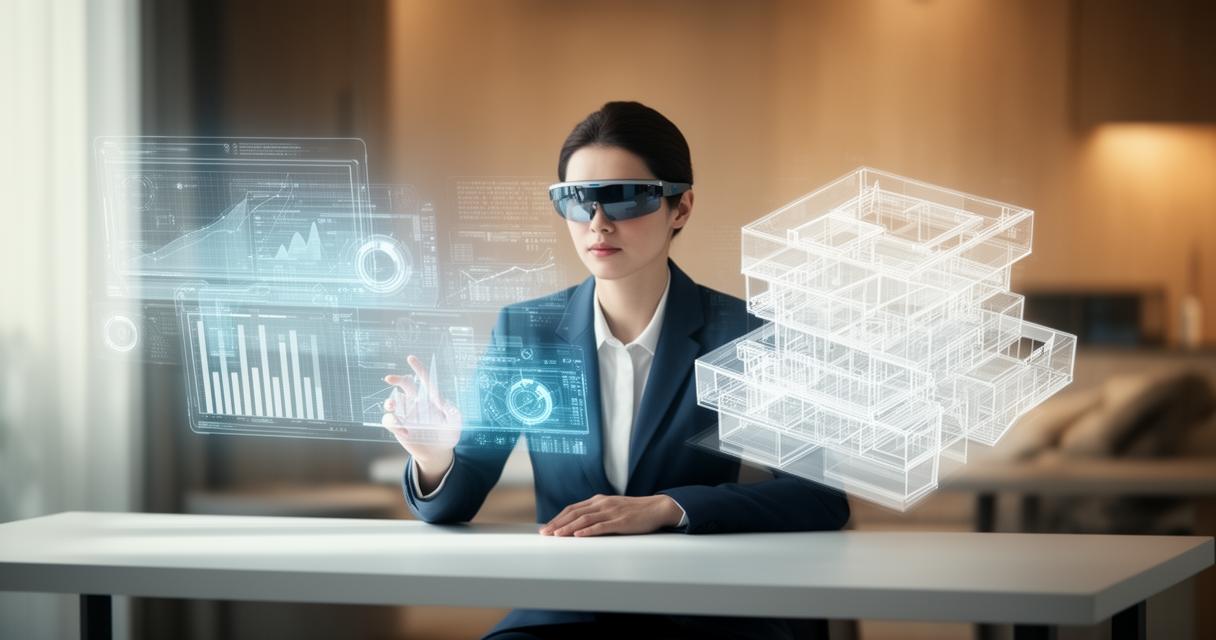
Creating immersive gaming environments that blend reality and virtual worlds
The gaming sector has long been at the forefront of technological innovation, and augmented reality represents the latest frontier in immersive entertainment. By integrating virtual elements into real-world settings, augmented reality games provide players with experiences that are both physically and mentally engaging. Unlike traditional video games that confine players to screens, augmented reality encourages movement and exploration, fostering a more active form of entertainment. This shift has profound implications for how games are designed and consumed, as developers seek to leverage the unique capabilities of augmented reality to create novel gameplay mechanics and narratives. The success of early augmented reality gaming applications has demonstrated the appetite among consumers for experiences that extend beyond conventional formats. Players are drawn to the novelty of encountering virtual creatures or objects in familiar locations, creating a sense of discovery and surprise that traditional games struggle to replicate. As the technology matures, the potential for even more sophisticated and immersive gaming environments continues to grow, promising a future where the line between the digital and physical worlds becomes increasingly indistinct.
Educational Applications: Making Learning Interactive and Engaging for All Ages
Beyond entertainment, augmented reality is making significant inroads into education, offering immersive learning opportunities that captivate students of all ages. By transforming abstract concepts into tangible, interactive experiences, augmented reality helps learners grasp complex subjects more intuitively. Whether it is exploring the solar system from a classroom or dissecting virtual organisms in a biology lesson, the technology brings subjects to life in ways that textbooks and traditional media cannot. This interactive approach not only enhances engagement but also caters to diverse learning styles, making education more inclusive and effective. For educators, augmented reality represents a powerful tool to supplement traditional teaching methods and to create dynamic learning environments. The ability to visualise and manipulate virtual objects encourages active participation and experimentation, which are critical components of effective learning. Moreover, augmented reality can bridge the gap between theoretical knowledge and practical application, preparing students for real-world challenges by providing hands-on experience in a safe and controlled setting. As educational institutions across the United Kingdom explore the potential of this technology, the prospect of a more engaging and interactive learning landscape becomes increasingly attainable.
Measuring ROI: The Financial Benefits of Augmented Reality for British Enterprises
For British enterprises considering the adoption of augmented reality, understanding the return on investment is a critical component of the decision-making process. While the potential benefits of the technology are compelling, translating these advantages into quantifiable financial gains requires careful analysis. The challenge lies in proving measurable value, which is essential to secure buy-in from stakeholders and to justify the initial expenditure. Fortunately, tools and frameworks are emerging to help organisations evaluate the costs and benefits of augmented reality, enabling them to build robust business cases for investment.
Cost Savings and Efficiency Gains from AR Implementation in Corporate Training
One of the most tangible ways in which augmented reality delivers return on investment is through cost savings and efficiency gains in corporate training. Traditional training programmes often involve significant expenses related to materials, travel, and instructor time. Augmented reality can substantially reduce these costs by enabling remote and self-directed learning, eliminating the need for physical resources and minimising logistical complexities. Additionally, the technology can accelerate the training process, allowing employees to achieve competency faster and reducing the period during which they are less productive. These efficiency gains translate directly into financial benefits, making augmented reality an attractive investment for forward-thinking enterprises. The reduction in downtime is another critical factor contributing to the positive return on investment. When employees can access training and support through augmented reality, they spend less time away from their core responsibilities, which enhances overall productivity. Moreover, the consistency and quality of training delivered through augmented reality ensure that all employees receive the same high standard of instruction, reducing variability in performance and minimising errors. For industries where precision and reliability are paramount, these benefits are particularly valuable. The ability to quantify these advantages using tools such as the ROI calculator offered by the Augmented Reality for Enterprise Alliance provides enterprises with the data needed to make informed investment decisions.
Long-Term Strategic Advantages and Competitive Edge in the UK Market
Beyond immediate cost savings, augmented reality offers long-term strategic advantages that can position British enterprises at the forefront of their industries. The adoption of advanced technologies signals a commitment to innovation and continuous improvement, which can enhance a company's reputation and appeal to clients, partners, and talent. In a competitive market, the ability to leverage augmented reality for superior customer experiences, operational excellence, and employee development can serve as a significant differentiator. The acceptable threshold for return on investment for IT investments typically ranges between ten and fifteen percent, varying by industry. Augmented reality, with its multifaceted benefits, often exceeds these benchmarks, providing compelling evidence of its value. The strategic advantages extend to enhanced collaboration, improved decision-making, and greater agility in responding to market changes. As digital transformation reshapes the business landscape, enterprises that embrace augmented reality are better positioned to navigate the complexities and seize emerging opportunities. The global alliance promoting enterprise adoption of augmented reality, as part of the Object Management Group, underscores the growing recognition of this technology's importance. Membership in such alliances provides access to industry standards, research agendas, and best practices that can further enhance the return on investment and support successful implementation. For British enterprises, the decision to invest in augmented reality is not merely about adopting a new technology but about securing a competitive edge and ensuring long-term success in an increasingly digital world.