


Capturing compelling portraits requires more than simply pointing a camera and pressing the shutter button. The choice of lens fundamentally shapes the final image, influencing everything from the subject's flattering appearance to the overall mood conveyed. For photographers working with Nikon systems, the selection of available glass is vast and varied, each offering distinct characteristics suited to different creative visions and practical requirements. Understanding these nuances allows one to elevate portrait work from routine to truly professional, whether photographing clients in Bristol, Bath, or across the wider UK.
Understanding Focal Length and Aperture for Portrait Photography
How focal length influences portrait composition and perspective
The focal length of a lens serves as the cornerstone of compositional choice, directly dictating how a subject appears within the frame. Shorter focal lengths, such as those found in wide-angle lenses, naturally encompass a broader field of view, capturing more of the surrounding environment. This characteristic makes them particularly well-suited for environmental portraits, where context and location form an integral part of the narrative. A 35mm lens, for instance, allows a photographer to include meaningful background elements that tell a richer story about the subject, whether in the historic streets of Bath or the bustling urban landscape of Birmingham.
As focal length increases, the lens compresses the scene, bringing distant background elements visually closer to the subject. This compression effect is highly desirable in traditional portraiture, as it naturally isolates the subject and softens distracting details behind them. An 85mm lens exemplifies this quality, delivering flattering facial proportions and emphasising the subtle contours and expressions that define character. Telephoto lenses, such as those in the 70-200mm range, push this compression further, offering extraordinary background separation and allowing photographers to work at a comfortable distance from their subjects, particularly useful during corporate photography sessions or events where discretion and space are considerations.
The Role of Aperture in Achieving Professional Depth of Field
Aperture, represented by the f-stop number, governs both the amount of light entering the lens and the depth of field within an image. A wider aperture, indicated by a lower f-stop value such as f/1.8 or f/1.4, allows more light to pass through, enabling photographers to work effectively in challenging low-light conditions without resorting to excessively high ISO settings that introduce noise. This capability proves invaluable during studio shoots or indoor events where ambient lighting may be limited.
Beyond its technical function, aperture profoundly impacts the aesthetic quality of portraits through its control of depth of field. A shallow depth of field, achieved with wider apertures, creates the much-coveted bokeh effect, where the background melts into a soft, creamy blur that draws the viewer's eye squarely onto the subject. This visual separation elevates the professional appearance of portraits, lending them a polished, refined quality. Prime lenses, with their typically larger maximum apertures, excel in this regard, offering superior image quality and the ability to render backgrounds in beautifully diffused tones. Conversely, narrower apertures increase depth of field, keeping both subject and surroundings in sharper focus, a technique sometimes employed in environmental or editorial portraiture where the setting holds equal narrative weight.
Choosing Between Prime and Zoom Lenses for Portraiture
Why fixed focal length lenses deliver superior image quality
Prime lenses, characterised by their fixed focal length, have long been the preferred choice among discerning portrait photographers. The optical simplicity inherent in their design, with fewer glass elements and moving parts, translates directly into superior image quality. Sharpness, colour rendition, and contrast are typically more refined compared to their zoom counterparts, allowing every detail of a subject's expression to be captured with remarkable clarity. This optical excellence becomes particularly evident when working on advertising projects or high-end studio portraits, where the final image will be scrutinised at large sizes or in print.
The 50mm lens stands as a quintessential example of prime lens versatility, offering a natural field of view that closely mirrors human vision. Its moderate focal length makes it suitable for a wide range of situational portraits, from candid environmental shots to more formal compositions. The 85mm lens, however, is often considered the gold standard for portraiture. Its focal length delivers flattering facial compression, rendering features in their most pleasing proportions, while its typically wide maximum aperture facilitates stunning bokeh and exceptional subject isolation. For close-up work, a 100mm macro lens provides extraordinary detail and sharpness, though its longer focal length may present challenges in smaller studio spaces or intimate settings.
The Versatility of Zoom Lenses for Dynamic Portrait Sessions
While prime lenses offer unmatched optical performance, zoom lenses bring a different strength to portrait photography through their adaptability. The ability to adjust focal length without physically moving or changing lenses proves invaluable during dynamic sessions such as events, corporate shoots, or on-location work across cities like Cardiff, Cheltenham, or Gloucester. A photographer can seamlessly transition from a wider environmental shot to a tightly framed close-up, maintaining creative momentum and capturing fleeting moments that might otherwise be missed during a lens change.
The 70-200mm zoom lens exemplifies this versatility, offering an extensive range ideal for portrait work. At the shorter end, it provides a comfortable working distance for traditional headshots and upper-body compositions, while the longer reach allows for intimate close-ups and significant background compression. The ability to blur backgrounds at longer focal lengths, combined with the flexibility to quickly reframe, makes this lens a staple for photographers covering corporate events, property shoots requiring lifestyle imagery, or TV promo work where varied compositions are required rapidly. Modern zoom lenses, particularly those from Nikon's Nikkor range and premium third-party manufacturers like Sigma with their HSM technology, have narrowed the quality gap considerably, delivering sharpness and colour fidelity that closely rivals prime lenses, though often at the compromise of a narrower maximum aperture.
Essential Filters and Accessories to Enhance Your Portrait Work
Recommended Filters for Protecting Your Nikkor Lenses and Improving Results
Investing in quality glass deserves equally careful consideration of protective measures and optical enhancements. A UV or clear protective filter serves as the first line of defence for the front element of your Nikkor lenses, safeguarding against scratches, dust, and accidental impacts that could compromise both image quality and resale value. While modern coatings on professional lenses are remarkably durable, the modest cost of a high-quality filter pales against the expense of repairing or replacing damaged optics.
Beyond protection, certain filters can subtly enhance portrait photography results. A polarising filter, though more commonly associated with landscape work, can reduce unwanted reflections on skin or eyewear and enrich colours in environmental portraits shot outdoors. Neutral density filters, while not essential for every portrait session, provide creative control over depth of field in bright conditions, allowing the use of wider apertures without overexposure. When selecting filters, prioritise those from reputable manufacturers with multi-coating technology to minimise flare and maintain the optical integrity your lenses provide. Consider free delivery options and reviews carefully, as even a premium lens can be undermined by a poorly manufactured filter.
Must-Have Accessories for Professional Portrait Photography with Nikon
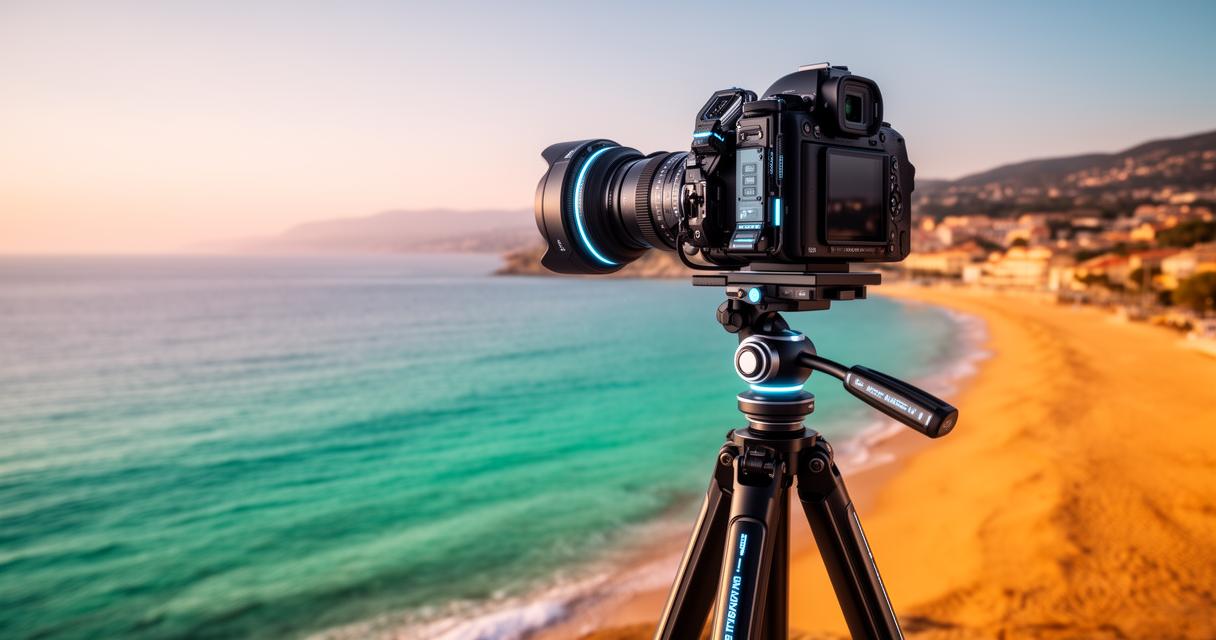
Complementing your lens selection with thoughtfully chosen accessories elevates both the technical quality and practical efficiency of portrait sessions. A sturdy tripod, though often overlooked in portraiture, proves invaluable for maintaining consistent framing during studio shoots or property photography requiring precise composition. It also enables longer exposures in low light without introducing camera shake, preserving the sharpness your quality glass delivers.
Reflectors and diffusers form essential components of any portrait photographer's kit, shaping natural or artificial light to flatter subjects and control contrast. These simple tools can transform harsh midday sun or unflattering overhead lighting into soft, even illumination that enhances skin tones and reduces shadows. For those working extensively in studio environments or on advertising projects, investing in quality lighting equipment, including softboxes and continuous lights, provides complete control over the mood and dimensionality of portraits. Additional considerations include spare batteries and memory cards to ensure uninterrupted shooting during events or extended sessions, and a quality camera bag that protects your Nikon bodies and lens collection during travel between locations such as Oxford, Swindon, and London. Ultimately, the best lens and accessories depend on your personal style, the subjects you photograph most frequently, and the budget you can allocate, but building a well-rounded kit around foundational pieces ensures you are prepared for any portrait opportunity that arises.