


The world of aerial videography has transformed how creators tell their stories on YouTube, offering perspectives that were once reserved for big-budget productions. Whether you're documenting travel adventures, capturing property showcases, or producing cinematic narratives, selecting the right drone can elevate your content from ordinary to extraordinary. Understanding which specifications truly matter and what experienced creators rely upon will guide you toward making an informed investment that aligns with your creative ambitions and technical requirements.
Essential technical specifications for content creation
Camera resolution and sensor quality requirements
When evaluating drones for YouTube production, camera capabilities stand as the paramount consideration. The EVO Lite 6K exemplifies how resolution directly impacts final output quality, offering detailed imagery that maintains clarity even after editing and compression. Sensor size plays an equally vital role, as larger sensors capture more light and produce superior dynamic range, particularly valuable when filming during golden hour or in challenging lighting conditions. The EVO II Pro V3 demonstrates this advantage with its professional-grade sensor, delivering footage that rivals traditional cinematography equipment. Creators focusing on high-end cinematic drones benefit significantly from these advanced imaging systems, which provide flexibility during colour grading and post-production work. The distinction between entry-level selfie drones like the Autel EVO Nano and premium options becomes immediately apparent in image quality, with the latter offering broadcast-ready footage straight from the camera.
Flight duration and battery performance considerations
Battery performance fundamentally shapes your shooting possibilities and workflow efficiency. Most professional content creators emphasise that flight time directly correlates with creative freedom, allowing multiple takes and varied angles without constant interruptions for battery changes. The EVO II Pro RTK V3 and similar advanced models typically provide extended flight durations that accommodate comprehensive shooting sessions, essential when capturing spontaneous moments or coordinating with subjects. Beyond single-battery performance, smart creators invest in multiple power sources and charging solutions, recognising that backup batteries represent insurance against missed opportunities. Weather conditions, altitude, and flight patterns all influence actual battery performance, making manufacturer specifications merely starting points rather than guarantees. Understanding these variables helps you plan shoots realistically and avoid the frustration of abbreviated sessions that compromise your creative vision.
Stability features and flight control systems
Gimbal technology and image stabilisation capabilities
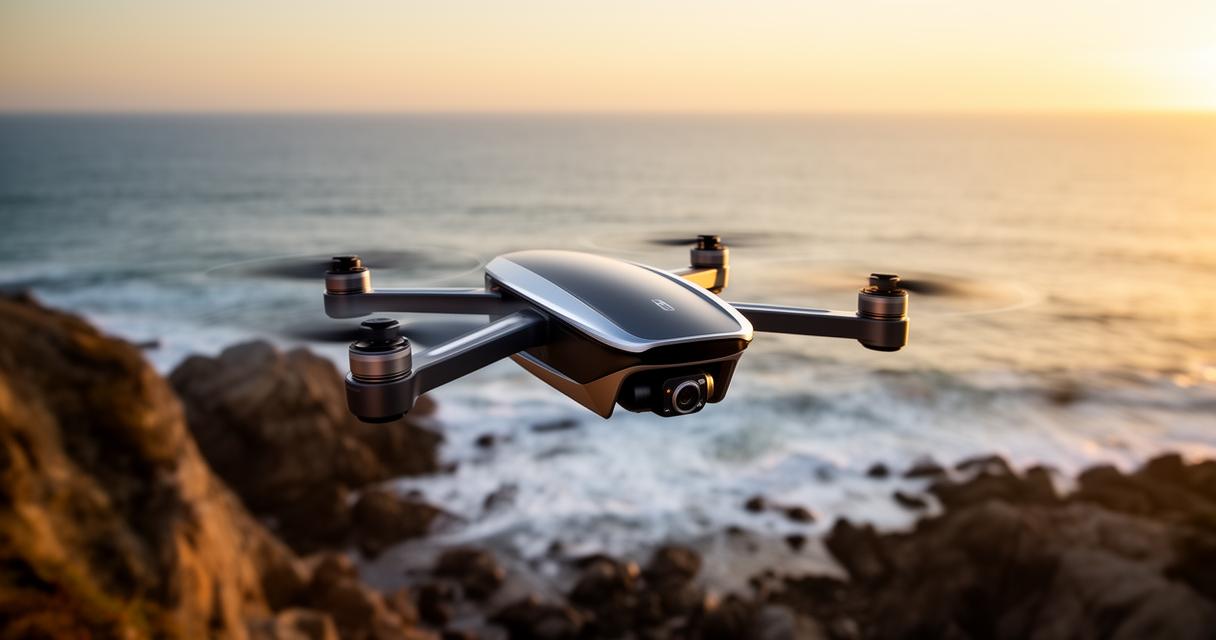
Smooth, stable footage separates amateur content from professional productions, making gimbal quality a non-negotiable specification. Three-axis mechanical stabilisation systems, featured in models like the EVO II Pro Enterprise V3, counteract drone movements and wind disturbances, ensuring your footage remains buttery smooth regardless of flight conditions. This technology proves particularly valuable during dynamic shots involving rapid altitude changes or lateral movements, where even minor vibrations would otherwise translate into distracting image shake. The EVO Lite 640T showcases how thermal imaging capabilities can complement traditional stabilisation, offering specialised content opportunities for creators exploring unique niches. Electronic stabilisation provides an additional layer of refinement during post-processing, though mechanical systems remain the foundation. Creators pursuing aerial photography for commercial purposes recognise that stabilisation quality directly impacts client satisfaction and repeat business, making this specification worth prioritising even at higher price points.
Intelligent flight modes for professional results
Advanced flight modes transform complex manoeuvres into accessible tools for creators at all skill levels. The EVO II Dual 640T V3 and similar sophisticated platforms offer automated tracking, orbit modes, and pre-programmed flight paths that deliver cinematic results without requiring expert piloting skills. These intelligent systems prove invaluable when working solo, allowing you to focus on composition and timing whilst the drone handles technical execution. Waypoint navigation featured in models like the EVO II 640T RTK V3 enables precise repeatability, essential for infrastructure inspection documentation or creating comparison footage over time. The EVO Max 4T V2 demonstrates how obstacle avoidance systems have evolved from basic safety features into creative enablers, permitting confident flight in complex environments. Agricultural use and search and rescue applications rely heavily on these automated capabilities, though recreational drone videos equally benefit from the professional polish they provide. Understanding which modes genuinely enhance your specific content style helps you avoid paying for features you'll never utilise whilst ensuring you have the tools your creative process demands.
Budget planning and value assessment
Comparing popular models across different price ranges
The drone market offers options spanning from affordable entry points to professional-grade investments, each occupying distinct niches within content creation. Entry-level selfie drones provide accessible introduction points for creators testing aerial videography before committing significant resources, whilst models like the EVO Max 4N V2 serve established creators requiring specific capabilities. The Summer Sale presents strategic purchasing opportunities, though evaluating true value requires looking beyond initial pricing to performance specifications and longevity. The Alpha and Dragonfish Series represent specialised tools designed for demanding commercial applications, including law enforcement drones and cargo transport operations, where reliability and advanced features justify premium pricing. Over fifty percent of drone videos on YouTube stem from recreational use, suggesting that mid-range options satisfy most creator requirements without necessitating top-tier expenditure. Examining what successful creators in your specific niche actually deploy provides more relevant guidance than generic recommendations, as their choices reflect real-world performance under conditions similar to your own shooting scenarios.
Understanding long-term investment and accessory costs
The purchase price represents merely the initial component of your total investment, with ongoing costs significantly impacting value assessment. Drone accessories spanning multiple series offer both essential replacements and capability expansions, from spare propellers to advanced lighting systems. Batteries represent the most significant recurring expense, with serious creators typically maintaining three to five units in rotation to support extended shooting sessions. Insurance considerations vary based on usage, with commercial drone pilots operating under FAA Part 107 requirements facing different obligations than recreational users. Drones under 249g avoid registration requirements, reducing administrative burden and ongoing compliance costs. Payment flexibility through options including PayPal, credit cards, and bank transfers accommodates various financial planning approaches, whilst free shipping in the US with delivery in three to five days reduces acquisition costs. The thirty-day return policy provides risk mitigation for first-time buyers uncertain about their choice, though thorough research beforehand reduces the likelihood of needing this safety net. Calculating total cost of ownership over your anticipated usage period, including replacement parts, software subscriptions, and potential repairs, reveals the true financial commitment and helps prevent budget surprises that could derail your content creation journey.